Tips for Achieving a Smooth Professional-Looking Cabinet Finish

Cabinet Refinishing Modesto amplifies visual design statements, shapes overall kitchen aesthetics and ambiance, and protects against everyday challenges like moisture, temperature fluctuations, grease splatter, and wear. High-quality paints and stains are formulated for durability, creating glass-smooth surfaces that resist chipping and other damage.

cabinet refinishing

Finish options include painted finishes that offer a wide range of color choices; stained finishes that enhance wood grain patterns; and glazed finishes that add dimension and visual interest.

Whether your cabinets are made from raw wood or are already painted, the first step in achieving a smooth professional-looking finish is proper sanding. It is critical to sand the entire cabinet surface, including all doors and drawer fronts, for even paint application. It is also a great way to eliminate brush marks and create an even, glossy sheen.

Before you start sanding, make sure your workspace is clean and free of dirt, dust, grease and other debris. This will help prevent sanding scratches that can cause visible marks on the finished product. You should also use a high-quality sandpaper, such as 120-grit, to create a rough surface for primer and paint to adhere to. If you are pressed for time, you can speed up the process by using a power sander instead of hand sanding.

Once you’ve sanded the surface, it’s important to wipe it down again with a damp cloth to remove any lingering debris. Be sure to change the sandpaper grit each time you re-sand the surface, starting with a lower grit and working your way up. Skipping sandpaper grits can lead to visible scratches in the final finish, so it is always best to take your time and be thorough.

Once your sanding is complete, you’re ready to apply the first coat of primer. Choose a high-quality oil-based or latex primer to ensure good adhesion and a durable, long-lasting finish. Foam rollers and a paint sprayer are both ideal for applying primer to large flat surfaces, as they provide a more even, smooth finish than traditional brushes. For small, detailed areas and edges that are difficult to reach with a roller, a sanding sponge is a great alternative.

Wood Filler

Wood filler is an essential tool to have on hand when you are painting cabinets. This is because it helps to fill holes, cracks, and dents that can affect the smoothness of your final coat of paint. This will ensure that your cabinet surface is flawless and allows you to achieve a professional-looking finish.

Wood fillers are typically made of a combination of wood fibers and hardening resins that create a paste-like consistency when wet. They can come in a variety of shades to match the surrounding wood and are usually stainable as well. They are used to repair small imperfections in wood projects, such as nail or screw holes, small splits or cracks, and imperfect seams. When done correctly, they are almost undetectable in the finished project.

Choosing the right wood filler is important, and you will want to make sure that it matches your existing cabinet color. Additionally, it is important to choose a filler that dries completely before you start working on the cabinet. If you do not allow the filler to dry properly, it can cause problems with adhesion when you are ready to begin painting.

You will also need to have a putty knife or similar tool available for application. To apply the filler, scoop out a small amount and press it into the hole or crack. You will want to overfill the hole slightly to account for shrinkage as it dries. Next, use the putty knife to smooth out the surface of the filler. Make sure that it is perfectly even with the surrounding area. Finally, sand the filler lightly to make sure that it is smooth and even with the rest of the cabinet surface.

Priming

A quality primer is a non-negotiable step when painting cabinets. It’s like the glue layer that connects your paint to your cabinet surface and helps ensure that your top coat sticks well. Plus, it covers any existing stains or colors on the surface and helps achieve a smooth professional finish.

Before you start priming, make sure that your cabinets are squeaky clean. Then, grab some fine-grit sandpaper and give the surfaces a quick scuff. You’re not trying to strip the cabinets, just rough up the surface a bit to provide a better adhesion surface for the primer and paint.

Next, apply a thin coat of your chosen primer. You can roll or brush, but I recommend spraying if you have the right sprayer for your project (click here to check out our selection of professional painting tools). Allow the primer to dry completely before moving onto the next step.

One of the most common mistakes I see DIYers make is skipping the primer and going straight to paint. This can lead to a disappointing finish that chips and peels over time. Primer provides a strong, durable base that is ideal for the wear and tear that cabinets face.

Oil-based primers are a great option for cabinets because they offer excellent adhesion and hide the grain of the wood. They’re also resistant to moisture and food spills, making them a smart choice for kitchens. However, they take longer to dry than water-based primers and require mineral spirits for cleanup. If you’re looking for a quicker option, try using Zinnser BIN Shellac-based primer instead. It dries in about 20 minutes and is ready for a second coat in 45.

Paint

When it comes to cabinet painting, priming is a non-negotiable step. It ensures that the paint adheres well to the wood surface and covers any existing stains or colors. It also helps achieve a durable finish, which is important for high-traffic areas like kitchens.

Proper product choice is also essential. High-quality cabinet paints have been specially formulated to resist moisture and wear, ensuring a long-lasting, smooth appearance. They feature a strong, moisture-resistant binder and additives that increase adhesion and durability. They also level beautifully during application, minimizing brush marks and achieving uniform surfaces that highlight the quality of the underlying craftsmanship.

When selecting a paint color for cabinets, consider the lighting conditions in your space. Natural light exposure, direction, and intensity at different times of the day can dramatically affect how colors appear and function in kitchen spaces. This can help you avoid colors that might overwhelm a room or clash with the surrounding architectural elements.

Professionals use specialized tools, such as spray painting, to create a consistent, flawless finish that is difficult to replicate with hand-painting techniques. They also apply multiple thin coats, allowing each layer to dry thoroughly before applying the next. This helps prevent drips and achieve a flawless, professional-looking result.

Hiring professionals can save you time and money in the long run by reducing the frequency of touch-ups and repairs that might be required due to improper prep work or poor application. Pros also know how to work with a wide range of color palettes and can recommend the best paint for your specific taste and design style. They can even assist with a repaint down the line, when you’re ready for a new look or want to embrace the latest trends.

Curing

Cabinet finishes are among the most transformative elements of a home, enhancing a kitchen or bathroom design with elegance and style. Whether you’re working with new wholesale cabinets or refreshing an older finish, proper surface preparation and thorough application are key to exceptional results that last.

Thorough cleaning and sanding of cabinet surfaces prepare them for paint and stain applications. Use fine-grit sandpaper to roughen the surface slightly, improving paint adhesion. Apply a high-quality primer. Primer blocks stains and improves color saturation, while smoothing out minor imperfections. Cabinet-specific primers offer superior adhesion and blocking properties compared to general-purpose products.

Choose the right paint for your project, based on desired durability and application methods. Latex paints are ideal for most cabinet projects due to their ease of use and fast drying times. If you’re looking for extra durability, consider oil-based or hybrid alkyd enamel paints. They’re durable, require more patience to clean and dry than latex alternatives, but deliver the most natural-looking results.

Wood stain enhances the natural grain patterns of solid wood cabinetry and offers rich color saturation that resists chipping and peeling. Penetrating stain and gel stains are available with a range of sheen options from light honey to rich espresso shades. Antiquing treatments are a popular way to add character and create an aged patina appearance. Protective topcoats include polyurethane, conversion varnish, and water-based acrylic lacquers. Polyurethane, in particular, offers the most durability for a professional-grade finish and resists yellowing over time.

The smallest details make the biggest difference in cabinet finishing, resulting in the best possible outcome for your project. Pay special attention to sanding and priming, and apply thin coats that dry evenly for a flawless finish.
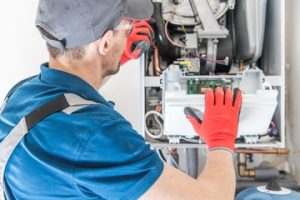

Hidden Heat: Exploring the Art and Precision of Furnace Repair

A furnace seems silent until it fails. Its quiet role in providing warmth makes it one of the most essential systems in any space, yet one of the least noticed. When it stops working, the disruption can feel immediate and overwhelming. FURNACE REPAIR CINCINNATI therefore, is not just about fixing a machine but restoring comfort and continuity.

Furnace Repair

The concept of furnace repair has evolved from simple mechanical adjustments to a complex blend of diagnostics, engineering, and preventive care. In earlier times, repairing a furnace involved basic cleaning, replacing visible parts, and reigniting pilot lights. Today, it often requires a deeper understanding of airflow dynamics, thermodynamics, and electronic systems. This shift reflects how heating technology has advanced and why skilled professionals must adapt continuously.

A properly functioning furnace depends on the balance of multiple components working seamlessly together. Burners, blowers, sensors, thermostats, and heat exchangers all play distinct roles in producing and distributing heat. A single malfunction in any of these parts can lead to inefficiency or complete system failure. Recognizing which element is responsible for a problem is the first step in successful repair.

The diagnostic process is at the heart of furnace repair. Modern systems often feature built-in sensors and error codes that provide clues, but understanding those signals requires expertise. Technicians learn to interpret patterns of performance, unusual sounds, or changes in air temperature. These observations guide them to underlying issues that might otherwise go unnoticed.

One of the most common furnace issues involves airflow restriction. Dust accumulation, clogged filters, or blocked vents can cause overheating, leading to shutdowns. Repairing such problems involves more than just cleaning; it requires evaluating the system’s overall ventilation and ensuring that pressure levels are balanced. Ignoring airflow issues can reduce the lifespan of a furnace significantly.

Thermostat problems are another frequent cause of malfunction. Sometimes the furnace itself is functional, but the thermostat fails to communicate accurate temperature readings. Repairing this requires recalibration or replacement, along with testing the electrical signals that control the heating cycles. In many cases, correcting a thermostat issue improves energy efficiency dramatically.

Mechanical wear is inevitable in any system that runs for long periods. Motors, belts, and bearings degrade over time and can cause noise, vibration, or reduced performance. Repairing mechanical issues involves precision and timing. Replacing components too late risks further damage, while doing it too early increases maintenance costs. Skilled technicians know how to assess wear and predict failure points before they become critical.

Electrical components play a crucial role in furnace operation, and faults in this area can be among the most dangerous. Short circuits, faulty relays, or wiring issues not only prevent the furnace from working but also pose fire hazards. Repairing electrical elements demands careful testing and strict adherence to safety protocols. This aspect of furnace repair underscores why it is rarely a suitable task for untrained individuals.

The heat exchanger is one of the most important yet delicate parts of a furnace. Its job is to transfer heat from the combustion process to the air without allowing harmful gases to escape. Cracks or corrosion in the heat exchanger can lead to carbon monoxide leaks, making prompt repair essential for safety. Repairing or replacing a damaged heat exchanger requires both technical expertise and specialized equipment.

Combustion-related issues also require careful attention. Incorrect fuel-to-air ratios can reduce efficiency, increase emissions, or even prevent ignition altogether. Technicians use instruments to measure combustion performance and adjust the system for optimal operation. These adjustments not only restore heat but also improve safety and reduce energy consumption.

Preventive maintenance is closely linked to furnace repair. Regular inspections can identify minor issues before they escalate into major failures. Cleaning components, lubricating moving parts, and tightening connections all contribute to extending the furnace’s operational life. Repair is often less costly and less disruptive when done proactively rather than reactively.

The rise of smart technology has added new layers to furnace repair. Modern furnaces may be connected to digital thermostats, remote monitoring systems, or home automation networks. When problems occur, repair involves not only the mechanical system but also software and communication protocols. Understanding these interactions is becoming an increasingly valuable skill in the repair field.

Energy efficiency is another driving factor behind furnace repair decisions. Older furnaces often waste significant amounts of fuel due to wear or outdated design. Repairs that improve efficiency—such as sealing ducts, upgrading components, or optimizing combustion—can lead to long-term savings. This makes professional repair not just a necessity but a financial investment.

The environmental impact of furnace performance is gaining more attention as well. Malfunctioning systems can emit higher levels of pollutants or consume more fuel than necessary. Repairing and maintaining furnaces to meet modern standards contributes to sustainability efforts. As regulations evolve, proper repair practices help ensure compliance while reducing ecological footprints.

Seasonal timing plays an important role in furnace repair strategy. Conducting repairs during off-peak months prevents breakdowns when the furnace is needed most. It also provides more time to address complex issues without the pressure of immediate demand. Planning ahead often results in better performance and fewer emergency calls.

For homeowners and property managers, understanding the basics of furnace repair can be empowering. While most complex repairs should be handled by professionals, knowing how to recognize early warning signs is invaluable. Strange noises, frequent cycling, or uneven heating are signals that the system needs attention. Acting quickly can prevent more serious damage.

Repair costs vary widely depending on the nature of the problem, but they are almost always lower than replacement costs. However, there comes a point where replacement becomes more economical than repeated repairs. This decision requires weighing factors such as the furnace’s age, condition, and efficiency. Professional assessments help guide this choice wisely.

Furnace repair also intersects with safety education. Technicians often advise clients on how to operate their systems safely, including proper ventilation and regular filter changes. These small actions reduce risks and improve overall performance. The educational aspect of repair is as important as the technical one.

The industry continues to evolve, and future furnace repair will likely incorporate even more advanced diagnostics, predictive analytics, and automation. Systems may eventually alert technicians to issues before users even notice them. As technology advances, the emphasis on continuous learning for repair professionals will only grow.

Ultimately, furnace repair is more than a technical service—it is a commitment to comfort, safety, and sustainability. It reflects a balance between reactive problem-solving and proactive care. The work that goes into keeping a furnace operational ensures that homes and buildings remain warm, safe, and efficient. Through careful attention, evolving expertise, and precision techniques, the art of furnace repair continues to adapt and thrive.

Understanding this hidden world helps us appreciate the systems we rely on daily. Behind every burst of warm air is a network of components working in harmony, maintained by hands that understand their language. And when those hands restore a failing furnace, they do more than repair a machine—they rekindle the warmth that makes a space feel like home.

The Comfort Cycle: Redefining 24-Hour HVAC Service for Modern Demands”

Climate never sleeps, and neither do comfort needs. The world has grown accustomed to immediacy, and the concept of waiting has almost vanished. In this rhythm of instant solutions, 24 Hour HVAC Company becomes more than a service—it becomes a silent guardian of daily life. The continuous hum of its systems is a symbol of reliability and human innovation combined.

HVAC

When temperature control evolved from a luxury into a necessity, expectations shifted entirely. People wanted stability even when the weather refused to cooperate. Around-the-clock HVAC service transformed that wish into a guarantee. This evolution wasn’t just about repairs or maintenance; it was about redefining comfort as a permanent condition.

Behind the scenes of every smooth night and cozy morning is a network of professionals working tirelessly. Their mission stretches beyond fixing broken systems. It is about restoring peace of mind and ensuring continuity in a world that values uninterrupted comfort. Each call, no matter the hour, reflects the promise of immediate relief.

Technology has been the heartbeat of this 24-hour revolution. From predictive diagnostics to energy-efficient systems, innovation has changed how HVAC companies respond to demand. What used to require human intuition is now guided by sensors and algorithms. Yet, human skill remains at the core of every successful solution.

Clients no longer think of HVAC systems as mechanical parts—they see them as partners in everyday living. The air they breathe, the warmth they feel, the cool relief they depend on, all stem from unseen precision. A 24-hour HVAC company thrives on this invisible trust, offering assurance that comfort will never be compromised.

Emergencies expose the value of constant readiness. When systems fail in extreme conditions, minutes matter. These are the moments when responsiveness becomes more than a promise—it becomes a lifeline. The concept of 24-hour service means that no one faces discomfort alone, no matter the circumstances.

As buildings evolve into smarter, more responsive structures, HVAC systems have followed suit. They adapt to occupancy, analyze usage patterns, and adjust energy output automatically. A modern 24-hour company doesn’t just respond to problems; it prevents them. Its focus is proactive care rooted in data-driven insight.

Sustainability also plays a major role in this transformation. The best companies now balance instant service with long-term responsibility. They reduce waste through precision diagnostics and optimize performance to save energy. This dual mission of comfort and conservation reshapes how people view constant service availability.

The trust between clients and technicians grows from dependability. When someone calls in the middle of the night, they seek not just repair but reassurance. The consistent response of a 24-hour team symbolizes more than efficiency—it represents humanity’s refusal to let small failures disrupt life’s flow. That emotional connection becomes a company’s most valuable currency.

Training has become central to keeping pace with innovation. The technicians of today must master both old mechanical systems and new digital interfaces. They act as translators between technology and human need. In every late-night visit, their expertise carries the weight of years of adaptation.

Digital communication has amplified accessibility further. Clients can now request help, track updates, and receive solutions through their devices. The entire repair journey unfolds transparently. Yet, the essence of the 24-hour service remains the same: a commitment to showing up, wherever and whenever needed.

The unpredictability of nature underscores why constant service is essential. Heat waves and cold fronts do not wait for business hours. Preparedness separates professional companies from ordinary ones. Their success relies not only on technology but on the resilience of people behind the systems.

Every hour of the day presents its own rhythm of demand. Early mornings bring maintenance calls, while nights often reveal emergencies. A true 24-hour HVAC company anticipates these fluctuations. It thrives by managing unpredictability with seamless precision.

Energy management continues to evolve, pushing companies toward smarter efficiency. Automated controls, adaptive thermostats, and self-learning systems now define the modern HVAC landscape. Yet, the human presence—someone ready to act when algorithms fall short—remains irreplaceable.

In many ways, the 24-hour model mirrors modern expectations across industries. Customers have grown used to immediacy, transparency, and reliability. In response, HVAC companies became more dynamic, integrating AI-driven tools while keeping customer empathy intact. The balance between technology and trust defines their excellence.

Seasonal transitions also test the readiness of these systems. As climates shift unpredictably, being prepared becomes more vital. A 24-hour HVAC company serves as the bridge between weather extremes and human comfort. Its operations ensure stability through cycles of change.

The silent beauty of their work lies in consistency. Most people never notice when systems function perfectly—and that is the goal. The absence of discomfort is the evidence of success. Each perfectly regulated room represents the invisible effort of countless coordinated actions.

Behind every comfort moment is a supply chain of efficiency. Tools, replacement parts, digital monitoring, and skilled personnel align seamlessly. The system operates like a living organism, responding instinctively to signs of imbalance. A 24-hour service sustains this equilibrium without pause.

Customer experience now extends beyond problem-solving. Many companies emphasize education, helping clients understand their systems better. This empowerment builds mutual respect and fosters long-term relationships. Informed users value the expertise that keeps their environment stable.

Adaptability has become the cornerstone of survival. Market demands, energy regulations, and environmental shifts push companies to innovate continuously. What once defined excellence last year might already be standard today. Constant learning ensures they remain ahead of expectations.

Some of the most transformative advancements involve predictive technologies. These allow systems to self-diagnose and alert service teams before issues escalate. The result is a shift from reaction to prevention. Clients experience fewer disruptions and enjoy greater reliability.

The culture of care within 24-hour HVAC teams often mirrors the rhythm of emergency responders. Their work requires patience, skill, and emotional endurance. Whether it’s a freezing night or a blistering afternoon, their readiness defines trust. Comfort becomes their mission and legacy.

Energy-saving initiatives further align with global sustainability goals. Efficient HVAC systems reduce carbon footprints while maintaining high performance. The continuous monitoring and optimization reflect an ethical approach to service. Companies now measure success not only by comfort delivered but by resources conserved.

Smart home integration deepens the connection between users and systems. Clients gain control over their environment through intuitive interfaces. Behind every touch or voice command, however, is a 24-hour backbone ensuring the promise of responsiveness never falters.

Remote diagnostics add another layer of sophistication. Technicians can assess issues virtually before arriving on-site, minimizing downtime. This fusion of speed and intelligence defines the modern service era. It reflects an understanding that every second matters in preserving comfort.

While machines may grow smarter, empathy remains irreplaceable. When clients reach out during stressful breakdowns, compassion transforms transactions into relationships. This emotional intelligence distinguishes great companies from average ones. A 24-hour HVAC provider succeeds by humanizing every interaction.

As infrastructures grow more complex, collaboration between departments becomes vital. Technicians, engineers, and support teams must coordinate like parts of a single mechanism. Their synergy enables seamless operation around the clock. This invisible teamwork defines operational excellence.

Consumer expectations will only rise in the coming years. Instant feedback, predictive maintenance, and green solutions will become standard. Those who anticipate these changes will lead the evolution. The 24-hour HVAC model will continue to symbolize readiness in an uncertain world.

Comfort may seem simple, but behind it lies a web of dedication, science, and service. The 24-hour HVAC company represents the culmination of these elements in motion. Its endurance speaks to the modern pursuit of perfection in the background of everyday life. The hum of air through vents becomes a quiet anthem of human progress.

As technology continues to merge with human capability, comfort delivery will grow smarter and faster. Systems will adapt in real time, predicting moods and adjusting atmospheres. Yet the heart of the service will stay constant—the promise to be there, always, without fail. That timeless reliability is what transforms a 24-hour company into an essential modern ally.

In the end, true comfort extends beyond temperature control. It is the assurance that help exists at any hour, unseen but unwavering. A 24-hour HVAC company doesn’t just regulate air—it preserves peace, continuity, and the rhythm of human living. Its commitment never sleeps, just like the comfort it safeguards.

Whispers of Climate Harmony: The New Era of HVAC Evolution

Comfort begins where temperature meets innovation. The world of HVAC has entered a transformation unlike any before. Beyond the mechanical hum of air conditioners and heaters lies a symphony of intelligence and adaptation. It’s no longer about controlling air; it’s about shaping how humans live, breathe, and connect with their environments.

HVAC

The HVAC industry, once defined by static systems, now thrives on dynamic technology. Systems are learning to sense human patterns, predicting comfort levels before discomfort even begins. Through adaptive algorithms, HVAC units can detect fluctuations in humidity, air purity, and even emotional cues from usage patterns. This blend of technology and empathy marks the new heart of indoor climate control.

What makes this evolution fascinating is its silent intelligence. HVAC systems today no longer wait for users to adjust them. Instead, they study habits and weather shifts in real time. The goal is invisible comfort—where environments respond without command. A home or workspace feels right not because someone sets it, but because the air itself learns how to care.

This seamless relationship between humans and air is powered by sensory networks. Each vent and duct has become part of a data ecosystem. These systems communicate through cloud platforms, sharing insights across buildings. A network of adaptive air control ensures not just comfort but consistency. Imagine walking through spaces that maintain the same calm equilibrium wherever you go.

Sustainability drives this transformation further. Traditional HVAC systems consumed vast energy to maintain comfort. Now, energy efficiency is woven into every layer of design. Smart compressors, variable-speed motors, and heat recovery mechanisms collaborate to minimize waste. The air feels fresher not only because it’s cleaner but because it’s responsibly conditioned.

Artificial intelligence has also become the silent engineer of HVAC balance. Algorithms predict the exact moment a system should power up or rest. By monitoring usage trends, they create micro-adjustments that save energy without compromising comfort. This intelligent precision makes every degree of air a calculated decision, turning efficiency into an art.

The materials used in HVAC innovation have evolved as well. Engineers are developing components that last longer and respond faster. Nanocoated coils resist corrosion while maintaining heat transfer at peak levels. Air filters now utilize biodegradable fibers that cleanse the environment while reducing waste. Sustainability has finally met performance in perfect symmetry.

The emotional connection to air is another subtle aspect shaping HVAC progress. Designers have begun to consider how airflow influences mood and mental clarity. Studies reveal that subtle temperature shifts can alter concentration and relaxation. HVAC systems now integrate psychological mapping, adjusting air behavior to promote well-being in both private and public spaces.

Silence has also become a mark of progress. The quiet hum of modern HVAC systems reflects engineering refinement. Vibration dampeners and acoustic insulation have turned noise into calm whispers. This shift from industrial sound to near silence creates serenity. People no longer notice the machines that sustain them, and that’s the point—they simply feel the result.

Maintenance has transformed from reactive to predictive. The systems now alert users before issues occur, often diagnosing themselves. Cloud-based analytics monitor pressure levels, coil cleanliness, and airflow resistance. When anomalies arise, alerts are sent instantly, minimizing downtime. This ensures that comfort remains uninterrupted and repair costs stay minimal.

Customization lies at the core of the new HVAC age. Every individual perceives comfort differently, and technology now respects that diversity. Personal zones allow temperature and airflow to adjust to each person’s preference. Whether it’s a cool breeze at a desk or gentle warmth by the window, the system learns to deliver distinct microclimates within one shared space.

The fusion of design and function also shapes HVAC’s evolution. Air systems are no longer bulky or intrusive; they blend with architecture. Slim vents, hidden ducts, and minimalist control panels redefine interior aesthetics. Designers collaborate with engineers to ensure that HVAC components contribute to beauty, not merely utility. Comfort now has elegance.

Climate adaptability is the next frontier. As global weather patterns shift, HVAC systems must respond faster and smarter. Dynamic modeling enables systems to simulate multiple future conditions. By predicting extreme temperature spikes or sudden humidity shifts, they prepare ahead of time. This ensures steady comfort even in the most unpredictable environments.

Health consciousness has deepened HVAC’s purpose. Beyond comfort, air quality now defines system excellence. Advanced filtration targets micro-pollutants, viruses, and allergens. Ionization and UV purification technologies cleanse the air at molecular levels. Breathing indoors becomes safer and closer to nature’s purity.

In public infrastructure, HVAC plays a vital societal role. Hospitals, schools, and transportation hubs rely on precision climate control to sustain health and focus. Smart zoning ensures that each environment receives the attention it needs. The result is an ecosystem where air distribution becomes a form of social care.

Remote control and automation redefine user engagement. Mobile integration allows people to manage systems from anywhere. But more than convenience, it promotes awareness of consumption. Users can visualize their energy usage in real time and adjust habits accordingly. The result is conscious comfort—a balance between luxury and responsibility.

In workplaces, HVAC systems foster productivity by aligning air conditions with circadian rhythms. As lighting adjusts to time of day, so does temperature. Cooler air promotes alertness in the morning, while subtle warmth supports calm in the afternoon. The synchronization between air and human rhythm blurs the line between biology and technology.

Residential systems, meanwhile, have become an extension of lifestyle. They interact with entertainment systems, lighting, and security for full environmental harmony. The moment a person enters, the air adapts to their preferences. It’s an intimate experience where the invisible element of comfort becomes the most personal.

Urban living challenges have pushed HVAC innovation to new heights. Space-saving, modular systems now provide full control within compact settings. Rooftop installations and underfloor ducts maximize airflow efficiency without crowding interiors. Comfort no longer demands space—it only requires intelligence.

The global pursuit of carbon neutrality has accelerated HVAC transformation. Manufacturers now invest in renewable energy integration, enabling systems powered by solar or wind sources. The synergy between renewable energy and HVAC technology reduces emissions and dependency. This union marks a critical step toward a breathable, sustainable future.

In extreme climates, resilience has become an engineering priority. Systems now endure intense heat, cold, and moisture without performance loss. Through adaptive insulation and fluid dynamics, HVAC systems sustain optimal operation even under pressure. Comfort, once fragile, has become enduring.

The human role in HVAC operation is fading gracefully. Where once people managed dials and switches, now sensors and AI handle the task. Yet this automation doesn’t remove control—it enhances it. Users still define comfort preferences, but systems translate them into optimized performance beyond human precision.

Learning from data has become HVAC’s greatest strength. Massive datasets gathered from thousands of environments inform smarter design. Engineers analyze trends to develop systems that perform better under real-world conditions. Each installation becomes part of a learning network that evolves constantly.

Safety has also advanced beyond expectation. Overheat protection, moisture sensors, and real-time diagnostics ensure secure operation. Systems can isolate faulty zones without shutting down completely. This decentralized protection approach maintains both safety and functionality simultaneously.

The concept of shared environments now includes air consciousness. Multi-zone HVAC management ensures that different rooms maintain unique climates without energy conflict. This balance between shared and personalized air creates harmony within homes and workplaces. Each breath feels intentional, not accidental.

Educational institutions benefit from this precision by promoting learning comfort. Classrooms remain consistently cool and fresh, encouraging focus. Research shows that temperature stability enhances cognitive performance, a finding directly tied to HVAC innovation. The system quietly becomes a partner in education.

In wellness centers and residential sanctuaries, air therapy is emerging. Controlled humidity, negative ion release, and scent diffusion enhance relaxation. HVAC now collaborates with the human senses beyond temperature. Breathing becomes an act of renewal, supported by technology that understands emotion.

Even in manufacturing, HVAC ensures quality. Production environments require strict temperature regulation to maintain product integrity. Smart air systems monitor every degree to ensure consistency. The result is efficiency that supports both comfort and industrial precision.

The cultural meaning of HVAC has expanded. It’s no longer just a mechanical service—it’s part of human evolution. As people spend more time indoors, the air that surrounds them defines their sense of well-being. HVAC systems have become unseen companions in modern life, guardians of invisible balance.

Future visions of HVAC include systems that communicate directly with human biometrics. Smart wearables could one day sync with environmental controls, adjusting airflow based on stress levels or body temperature. Comfort will no longer be static—it will breathe with the body, evolving second by second.

Energy recapture will shape the next leap forward. Systems that store heat from one zone and reuse it in another are emerging. Nothing is wasted; every movement of air becomes a cycle of renewal. This principle reflects the broader ecological shift toward circular sustainability.

Meanwhile, designers are exploring HVAC invisibility. The goal is to create comfort without visible machinery. Walls, ceilings, and floors may soon integrate micro-duct systems that deliver climate control silently and seamlessly. The architecture of the future won’t just contain air—it will orchestrate it.

As climate unpredictability intensifies, the responsibility of HVAC systems grows heavier. They must not only sustain comfort but protect health and conserve energy. Each design decision carries moral weight. The modern engineer balances physics with ethics, creating systems that serve both humanity and the planet.

The convergence of AI, renewable energy, and human comfort defines this era. HVAC has evolved from a luxury to a necessity and now into a philosophy. It stands as a bridge between technology and nature, linking innovation with empathy. The future of air lies not in control but in connection.

The HVAC journey continues, fueled by curiosity and care. Each breath indoors becomes a silent testament to the brilliance behind the machines. The new generation of HVAC systems doesn’t just regulate temperature—it narrates the story of adaptation, harmony, and hope. In this dance between air and intelligence, humanity rediscovers the true meaning of comfort.

Navigation