Author: Morgan Ashley

What Are the Best Steel Stairs and Railings Options for Homes and Businesses?

metal works

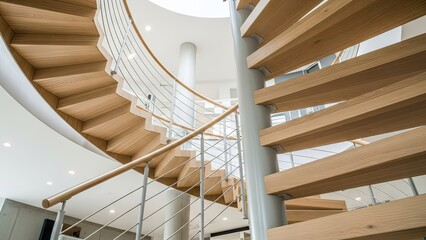
Imagine walking into a building where the staircase immediately captures your attention. Its clean lines, sturdy construction, and stylish railing create a lasting impression while providing safety and functionality. Steel Stairs and Railings have become a popular choice for residential, commercial, and industrial properties because they combine strength, durability, and modern aesthetics. Whether used indoors or outdoors, steel offers a wide range of design possibilities that can complement almost any architectural style.

Choosing the right steel stairs and railings involves more than selecting a material. Property owners must consider design preferences, safety requirements, maintenance expectations, and the intended use of the space. Understanding the available options can help ensure a practical and visually appealing result that stands the test of time.

Why Steel Is a Popular Choice for Stairs and Railings

Steel has become one of the most widely used materials for staircases and railing systems because of its exceptional strength and versatility. Unlike some materials that may warp, crack, or deteriorate over time, steel can withstand heavy use while maintaining its structural integrity.

One of the primary advantages of steel is its durability. Properly fabricated steel stairs and railings can last for decades with minimal maintenance. This longevity makes steel a cost effective investment for property owners seeking reliable and attractive solutions.

Steel is also highly adaptable from a design perspective. It can be shaped, welded, and finished in countless ways, allowing for both traditional and contemporary styles. Whether a project requires a sleek modern staircase or a decorative railing with intricate details, steel can accommodate a wide range of aesthetic goals.

Another benefit is safety. Steel provides excellent load-bearing capacity and stability, making it suitable for high traffic areas where dependable performance is essential.

Straight Steel Staircases

Straight staircases are among the most common steel stair options available. Their simple design consists of a single flight of stairs connecting one level to another without changes in direction.

This style is popular because it is practical, easy to construct, and suitable for many different environments. Straight steel staircases often work well in commercial buildings, warehouses, office spaces, and modern homes.

The clean appearance of a straight staircase can create an open and uncluttered look. Steel framing can be combined with various tread materials, including metal, wood, concrete, or glass, to achieve a customized appearance.

Maintenance is generally straightforward due to the simple structure and accessibility of all components. For property owners seeking functionality and efficiency, straight steel staircases remain a dependable choice.

Floating Steel Stair Designs

Floating staircases have gained popularity in contemporary architecture because of their dramatic visual appeal. These stair systems are designed to create the illusion that each step is suspended in midair.

Steel plays a crucial role in floating stair construction because of its strength and ability to support significant loads while remaining relatively slim. Hidden steel supports or central steel stringers often provide the structural framework necessary to achieve the floating effect.

Floating steel stairs can make spaces feel larger and more open by allowing light to pass through the structure. This characteristic is particularly beneficial in homes and buildings where maximizing visual space is a priority.

Many floating stair designs incorporate glass or cable railings to further enhance the modern aesthetic. While these staircases often require careful engineering and professional installation, they can become a striking focal point within a property.

Spiral and Curved Steel Stair Options

Spiral and curved staircases offer unique design possibilities for properties with limited floor space or a desire for architectural distinction. Steel is frequently used in these stair systems because it can be fabricated into curved shapes while maintaining structural strength.

Spiral staircases are particularly effective in compact spaces. Their circular design allows them to occupy a smaller footprint compared to traditional stair layouts. This makes them suitable for lofts, secondary access points, and areas where space efficiency is important.

Curved staircases provide a more gradual and elegant transition between levels. These designs often create a sense of luxury and sophistication while serving as a visual centerpiece.

Both spiral and curved steel stairs can be customized with various railing styles, finishes, and tread materials. The flexibility of steel fabrication enables designers to create distinctive stair systems that complement a property’s overall architectural theme.

Popular Steel Railing Styles

The choice of railing significantly influences the appearance and functionality of a staircase. Steel railings are available in numerous styles that cater to different design preferences.

Traditional steel railings often feature vertical balusters and decorative elements that add character and detail. These railings can complement classic architectural styles while providing reliable safety.

Horizontal railings have become increasingly popular in modern settings. Their clean lines create a contemporary appearance that pairs well with minimalist interiors and exterior spaces.

Cable railing systems combine steel posts with tensioned cables. This design offers unobstructed views and a sleek aesthetic while maintaining safety standards. Cable railings are frequently used on decks, balconies, and modern staircases.

Glass panel railings supported by steel frames provide another contemporary option. The transparency of the glass creates an open feeling while the steel framework ensures durability and support.

Custom fabricated steel railings allow property owners to incorporate unique patterns, artistic details, and personalized design elements that reflect their individual style.

Indoor Versus Outdoor Steel Stair and Railing Solutions

Steel stairs and railings can be used successfully in both indoor and outdoor environments, but the requirements for each application may differ.

Indoor stair systems often prioritize aesthetics alongside functionality. Property owners may choose decorative finishes, powder coated surfaces, or combinations of steel with wood and glass to create visually appealing interiors.

Outdoor staircases face additional environmental challenges. Exposure to moisture, temperature fluctuations, and sunlight can affect materials over time. For this reason, outdoor steel stairs and railings often incorporate protective coatings and corrosion resistant finishes.

Galvanized steel is a common choice for outdoor applications because it offers enhanced protection against rust. Powder coating is another popular option that adds durability while providing a wide range of color choices.

Selecting the appropriate finish for the environment helps ensure long term performance and reduces maintenance requirements.

Choosing the Right Finish for Steel Stairs and Railings

The finish applied to steel surfaces affects both appearance and durability. Property owners have several options depending on their design preferences and maintenance expectations.

Painted finishes provide flexibility in color selection and can complement virtually any design style. High quality coatings help protect steel from wear and environmental exposure.

Powder coating is a popular finishing method because it creates a durable and attractive surface. This finish resists chipping, scratching, and fading while offering numerous color possibilities.

Brushed and polished finishes showcase the natural appearance of the metal. These finishes are often selected for contemporary interiors where a sleek and sophisticated look is desired.

Galvanized finishes are commonly used for outdoor installations because they provide excellent corrosion resistance. This protective layer helps extend the lifespan of steel components exposed to the elements.

Choosing the right finish depends on factors such as location, intended use, maintenance preferences, and overall design objectives.

Factors to Consider Before Selecting a Steel Stair and Railing System

Before investing in a steel staircase or railing system, it is important to evaluate several key factors. Functionality should remain a top priority. The design must accommodate expected traffic levels while meeting safety requirements.

Space availability also influences the choice of stair configuration. Straight, floating, spiral, and curved designs each offer different advantages depending on the available area.

Aesthetic goals should align with the overall style of the property. Selecting complementary finishes, railing styles, and materials can help create a cohesive appearance.

Maintenance expectations are another important consideration. Some finishes require more upkeep than others, particularly in outdoor environments.

Budget plays a role as well. Custom fabricated designs may involve higher initial costs, but their durability and unique appearance often provide long term value.

Careful planning and professional design guidance can help ensure the selected system meets both practical and visual objectives.

Final Thoughts

Steel stairs and railings offer an exceptional combination of strength, versatility, and style. From straightforward staircases to dramatic floating designs and elegant curved structures, steel provides solutions for virtually every type of property. The wide range of railing styles, finishes, and customization options allows property owners to create stair systems that are both functional and visually impressive. By understanding the available steel stair and railing options, it becomes easier to select a solution that enhances safety, complements architectural design, and delivers lasting performance for years to come.

The Comfort Cycle: Redefining 24-Hour HVAC Service for Modern Demands”

Climate never sleeps, and neither do comfort needs. The world has grown accustomed to immediacy, and the concept of waiting has almost vanished. In this rhythm of instant solutions, 24 Hour HVAC Company becomes more than a service—it becomes a silent guardian of daily life. The continuous hum of its systems is a symbol of reliability and human innovation combined.

HVAC

When temperature control evolved from a luxury into a necessity, expectations shifted entirely. People wanted stability even when the weather refused to cooperate. Around-the-clock HVAC service transformed that wish into a guarantee. This evolution wasn’t just about repairs or maintenance; it was about redefining comfort as a permanent condition.

Behind the scenes of every smooth night and cozy morning is a network of professionals working tirelessly. Their mission stretches beyond fixing broken systems. It is about restoring peace of mind and ensuring continuity in a world that values uninterrupted comfort. Each call, no matter the hour, reflects the promise of immediate relief.

Technology has been the heartbeat of this 24-hour revolution. From predictive diagnostics to energy-efficient systems, innovation has changed how HVAC companies respond to demand. What used to require human intuition is now guided by sensors and algorithms. Yet, human skill remains at the core of every successful solution.

Clients no longer think of HVAC systems as mechanical parts—they see them as partners in everyday living. The air they breathe, the warmth they feel, the cool relief they depend on, all stem from unseen precision. A 24-hour HVAC company thrives on this invisible trust, offering assurance that comfort will never be compromised.

Emergencies expose the value of constant readiness. When systems fail in extreme conditions, minutes matter. These are the moments when responsiveness becomes more than a promise—it becomes a lifeline. The concept of 24-hour service means that no one faces discomfort alone, no matter the circumstances.

As buildings evolve into smarter, more responsive structures, HVAC systems have followed suit. They adapt to occupancy, analyze usage patterns, and adjust energy output automatically. A modern 24-hour company doesn’t just respond to problems; it prevents them. Its focus is proactive care rooted in data-driven insight.

Sustainability also plays a major role in this transformation. The best companies now balance instant service with long-term responsibility. They reduce waste through precision diagnostics and optimize performance to save energy. This dual mission of comfort and conservation reshapes how people view constant service availability.

The trust between clients and technicians grows from dependability. When someone calls in the middle of the night, they seek not just repair but reassurance. The consistent response of a 24-hour team symbolizes more than efficiency—it represents humanity’s refusal to let small failures disrupt life’s flow. That emotional connection becomes a company’s most valuable currency.

Training has become central to keeping pace with innovation. The technicians of today must master both old mechanical systems and new digital interfaces. They act as translators between technology and human need. In every late-night visit, their expertise carries the weight of years of adaptation.

Digital communication has amplified accessibility further. Clients can now request help, track updates, and receive solutions through their devices. The entire repair journey unfolds transparently. Yet, the essence of the 24-hour service remains the same: a commitment to showing up, wherever and whenever needed.

The unpredictability of nature underscores why constant service is essential. Heat waves and cold fronts do not wait for business hours. Preparedness separates professional companies from ordinary ones. Their success relies not only on technology but on the resilience of people behind the systems.

Every hour of the day presents its own rhythm of demand. Early mornings bring maintenance calls, while nights often reveal emergencies. A true 24-hour HVAC company anticipates these fluctuations. It thrives by managing unpredictability with seamless precision.

Energy management continues to evolve, pushing companies toward smarter efficiency. Automated controls, adaptive thermostats, and self-learning systems now define the modern HVAC landscape. Yet, the human presence—someone ready to act when algorithms fall short—remains irreplaceable.

In many ways, the 24-hour model mirrors modern expectations across industries. Customers have grown used to immediacy, transparency, and reliability. In response, HVAC companies became more dynamic, integrating AI-driven tools while keeping customer empathy intact. The balance between technology and trust defines their excellence.

Seasonal transitions also test the readiness of these systems. As climates shift unpredictably, being prepared becomes more vital. A 24-hour HVAC company serves as the bridge between weather extremes and human comfort. Its operations ensure stability through cycles of change.

The silent beauty of their work lies in consistency. Most people never notice when systems function perfectly—and that is the goal. The absence of discomfort is the evidence of success. Each perfectly regulated room represents the invisible effort of countless coordinated actions.

Behind every comfort moment is a supply chain of efficiency. Tools, replacement parts, digital monitoring, and skilled personnel align seamlessly. The system operates like a living organism, responding instinctively to signs of imbalance. A 24-hour service sustains this equilibrium without pause.

Customer experience now extends beyond problem-solving. Many companies emphasize education, helping clients understand their systems better. This empowerment builds mutual respect and fosters long-term relationships. Informed users value the expertise that keeps their environment stable.

Adaptability has become the cornerstone of survival. Market demands, energy regulations, and environmental shifts push companies to innovate continuously. What once defined excellence last year might already be standard today. Constant learning ensures they remain ahead of expectations.

Some of the most transformative advancements involve predictive technologies. These allow systems to self-diagnose and alert service teams before issues escalate. The result is a shift from reaction to prevention. Clients experience fewer disruptions and enjoy greater reliability.

The culture of care within 24-hour HVAC teams often mirrors the rhythm of emergency responders. Their work requires patience, skill, and emotional endurance. Whether it’s a freezing night or a blistering afternoon, their readiness defines trust. Comfort becomes their mission and legacy.

Energy-saving initiatives further align with global sustainability goals. Efficient HVAC systems reduce carbon footprints while maintaining high performance. The continuous monitoring and optimization reflect an ethical approach to service. Companies now measure success not only by comfort delivered but by resources conserved.

Smart home integration deepens the connection between users and systems. Clients gain control over their environment through intuitive interfaces. Behind every touch or voice command, however, is a 24-hour backbone ensuring the promise of responsiveness never falters.

Remote diagnostics add another layer of sophistication. Technicians can assess issues virtually before arriving on-site, minimizing downtime. This fusion of speed and intelligence defines the modern service era. It reflects an understanding that every second matters in preserving comfort.

While machines may grow smarter, empathy remains irreplaceable. When clients reach out during stressful breakdowns, compassion transforms transactions into relationships. This emotional intelligence distinguishes great companies from average ones. A 24-hour HVAC provider succeeds by humanizing every interaction.

As infrastructures grow more complex, collaboration between departments becomes vital. Technicians, engineers, and support teams must coordinate like parts of a single mechanism. Their synergy enables seamless operation around the clock. This invisible teamwork defines operational excellence.

Consumer expectations will only rise in the coming years. Instant feedback, predictive maintenance, and green solutions will become standard. Those who anticipate these changes will lead the evolution. The 24-hour HVAC model will continue to symbolize readiness in an uncertain world.

Comfort may seem simple, but behind it lies a web of dedication, science, and service. The 24-hour HVAC company represents the culmination of these elements in motion. Its endurance speaks to the modern pursuit of perfection in the background of everyday life. The hum of air through vents becomes a quiet anthem of human progress.

As technology continues to merge with human capability, comfort delivery will grow smarter and faster. Systems will adapt in real time, predicting moods and adjusting atmospheres. Yet the heart of the service will stay constant—the promise to be there, always, without fail. That timeless reliability is what transforms a 24-hour company into an essential modern ally.

In the end, true comfort extends beyond temperature control. It is the assurance that help exists at any hour, unseen but unwavering. A 24-hour HVAC company doesn’t just regulate air—it preserves peace, continuity, and the rhythm of human living. Its commitment never sleeps, just like the comfort it safeguards.

Effective Pest Control Tips

Pest Control

Pests are everywhere: ants, mice, moths, mosquitoes, and flies can all invade homes and gardens. Store food in airtight containers, use tight-fitting lids on indoor and outdoor trash cans, and regularly clean up discarded plant materials that provide hiding places for pests. Visit https://www.benspest.biz/ to learn more.

An important first step in any pest management situation is to accurately identify the specific species. This is a key part of Integrated Pest Management (IPM). Many pests look very similar to non-pests at different stages in their life cycle, so it is crucial to be able to tell them apart to ensure that the correct control method is applied.

For example, a weed seedling will look very different than the mature plant and might require a different control approach. Also, many pests undergo significant physical changes during their development, and it is important to know when to treat them to ensure that they are at the most susceptible stage of their life cycle. In addition, pests often develop resistance to commonly used insecticides and can be more difficult to control if incorrectly identified.

There are many good identification aids available to help a pest manager to accurately determine the pest in a particular situation. For instance, Insects Limited has a wide variety of very helpful identification aids for stored product insects, and many university and government libraries have field guides on hand to assist with identifying pests. In addition, EH&S has a number of staff entomologists that can provide assistance with identification.

The ability to identify a pest correctly will also allow managers to determine if there is a need for pest control. For instance, a pheromone trapping program to control brown rice beetles would be much more effective if the pests were actually rice beetles rather than another insect, and if they were at an early stage of their life cycle when they could easily be controlled with IPM techniques.

Additionally, a pest infestation of mosquitoes can quickly become a major health concern, and identifying the specific species will help to determine if it is necessary to use rodenticides to control them or if other methods would be more appropriate. Similarly, the presence of hornets or yellowjackets is often a sign that a building’s structural integrity has been compromised, or that employees are routinely propping open doors, providing easy entry points for other pests.

Pest Prevention

Keeping pests out is the best way to reduce pest control costs. It is also the least harmful to people and the environment. An effective pest prevention program requires that a facility, property or QA manager understand the specific factors that lead to a pest problem and then take steps to address those issues.

The key is to stop the pests from getting what they need. This could be food, water or shelter. Crawling pests include rodents like mice and rats, arachnoids such as spiders, and insects including millipedes, centipedes and beetles. These pests can be a nuisance and may bite, cause structural damage and/or pose health risks.

In addition to physical inspections, a preventative pest control plan may include a variety of other tactics. For example, sealing entry points where pests can gain access to a building, making sure that all windows and doors close and seal properly, and that trash is disposed of in tightly closed, pest-proof containers, are all effective preventative measures. Incorporating good sanitation practices such as keeping kitchen areas clean and storing food in containers, properly disposing of garbage and regular cleaning of pantry shelves can also help reduce pest problems.

For outside facilities, planting crops at different times to reduce exposure to pests and using crop rotation can reduce the need for insecticides. If these preventative efforts aren’t effective or if the pest infestation is too extensive, then an eradication treatment may be needed. These services are performed on an emergency basis outside of the routine pest service schedule and typically involve pesticides.

Treatments are used to eradicate existing pest infestations and can be very effective. However, they are usually more costly than preventative pest management. In addition, once the pests are gone, they will most likely return unless measures are taken to deter them.

An effective pest prevention program requires that employees are aware of the steps being taken to prevent pest problems and are committed to supporting those efforts. Employee training is an important part of this. It is also very helpful to communicate to employees why a pest prevention program has been implemented and the benefits it will provide to them, the institution and the environment.

Pest Control Methods

When pests attack, your company must use effective methods to achieve pest control. This may involve physical, biological or chemical treatments. The key is to match these techniques with the specific conditions at your property or facility. A comprehensive pest management program combines these methods, allowing you to minimize environmental impact.

Physical pest control removes the pest from its habitat by removing or killing the bug or rodent. This method does not use harsh chemicals and is effective for smaller infestations. However, it is not foolproof since the pest might find its way back to its original home or other locations in your building.

Biological pest control uses natural predators or parasitoids to reduce the population of targeted insects. This was once the mainstay of structural pest management until it was replaced by chemical treatment. However, it still can be used to reduce the dependence on pesticides, which often cause pollution and nontarget effects.

Chemical pest control involves the direct application of pesticides to kill or repel targeted pests. Common methods include spraying, ULV fogging and fumigation. These treatments are not without risks, as they can contaminate the environment, hurt pets or humans and even damage the plants themselves. However, when used correctly, they can be very efficient at controlling pests.

Pest control inspections must be conducted regularly. This is especially important if pests have been controlled with cultural or biological methods. These inspections should start with a thorough and accurate identification of the pest, its life cycle and preferred habitat. This information allows the pest management specialist to discover the weaknesses of the insect and target treatment strategies accordingly.

Visual inspections should be complemented with sampling techniques such as disclosing solutions and sweep nets for turf areas, and cup cutting or soil diggings for scouting soil-inhabiting insects. In addition to detecting pests, these inspections help record their populations and behavior over time, which is critical for developing effective preventive measures. This data will also allow for posttreatment evaluation of pest control effectiveness and to determine the need for additional actions. A pest monitoring plan should be written and distributed to all personnel. This should detail sanitation procedures, incoming product inspection practices, storage schedules, cleaning procedures and maintenance records.

Pesticides

Pesticides are chemicals that prevent, destroy or control a harmful organism (‘pest’). They can be very dangerous to people and pets if not used properly. They can also harm the environment if used carelessly, polluting water, air and soil.

There are many different types of pesticides. Some kill the pest, while others affect a pest’s development or metabolism. The most important factor in using pesticides is to select the appropriate chemical for your problem and follow the label directions exactly. Always use the least toxic method to achieve your goals.

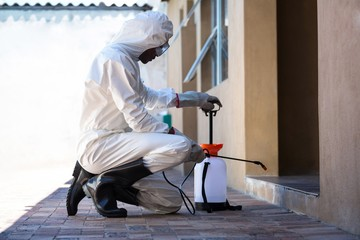
Avoid spraying when it is windy or rainy, and never apply pesticides near a source of drinking water or to paved surfaces where they may run off and be carried into storm drains. Also, never spray a pesticide in the presence of bees or other pollinators when they are active. Neonicotinoids, organophosphates and pyrethroids are particularly harmful to pollinators.

Read the pesticide label carefully before purchasing and using it, and before applying any chemical. It contains valuable safety information, including the proper way to use and store the product. Always use only the amount required for the job, and be sure to wear any protective clothing and equipment recommended on the label. Keep kids and pets away from areas where pesticides are mixed or applied. Spray in well-ventilated areas, and use the smallest amount necessary to get the job done.

Wear long-sleeved shirts, pants and closed-toe shoes when handling any pesticide. It’s also a good idea to wear rubber or plastic gloves when handling pesticides, especially if you will be removing leaves or roots. Use a face mask when spraying, and make sure to use the type of pesticide that requires it.

Use integrated pest management strategies, such as scouting and thresholds, to reduce the need for pesticides. Limit the number of treatments, and rotate insecticides with a different mode of action. Insecticide resistance has been found to develop rapidly when two or more pesticides have similar modes of action. Choosing insecticides with less-specific modes of action, such as horticultural oils and insecticidal soaps, can help reduce the likelihood of developing resistance.

Navigation