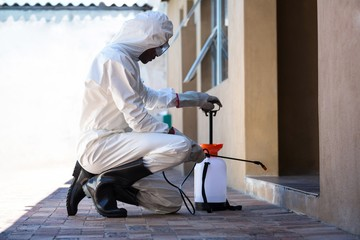
Category: Pest Control Services

Effective Pest Control Tips

Pest Control

Pests are everywhere: ants, mice, moths, mosquitoes, and flies can all invade homes and gardens. Store food in airtight containers, use tight-fitting lids on indoor and outdoor trash cans, and regularly clean up discarded plant materials that provide hiding places for pests. Visit https://www.benspest.biz/ to learn more.

An important first step in any pest management situation is to accurately identify the specific species. This is a key part of Integrated Pest Management (IPM). Many pests look very similar to non-pests at different stages in their life cycle, so it is crucial to be able to tell them apart to ensure that the correct control method is applied.

For example, a weed seedling will look very different than the mature plant and might require a different control approach. Also, many pests undergo significant physical changes during their development, and it is important to know when to treat them to ensure that they are at the most susceptible stage of their life cycle. In addition, pests often develop resistance to commonly used insecticides and can be more difficult to control if incorrectly identified.

There are many good identification aids available to help a pest manager to accurately determine the pest in a particular situation. For instance, Insects Limited has a wide variety of very helpful identification aids for stored product insects, and many university and government libraries have field guides on hand to assist with identifying pests.

The ability to identify a pest correctly will also allow managers to determine if there is a need for pest control. For instance, a pheromone trapping program to control brown rice beetles would be much more effective if the pests were actually rice beetles rather than another insect, and if they were at an early stage of their life cycle when they could easily be controlled with IPM techniques.

Additionally, a pest infestation of mosquitoes can quickly become a major health concern, and identifying the specific species will help to determine if it is necessary to use rodenticides to control them or if other methods would be more appropriate. Similarly, the presence of hornets or yellowjackets is often a sign that a building’s structural integrity has been compromised, or that employees are routinely propping open doors, providing easy entry points for other pests.

Pest Prevention

Keeping pests out is the best way to reduce pest control costs. It is also the least harmful to people and the environment. An effective pest prevention program requires that a facility, property, or QA manager understand the specific factors that lead to a pest problem and then take steps to address those issues.

The key is to stop the pests from getting what they need. This could be food, water, or shelter. Crawling pests include rodents like mice and rats, arachnids such as spiders, and insects including millipedes, centipedes, and beetles. These pests can be a nuisance and may bite, cause structural damage and/or pose health risks.

In addition to physical inspections, a preventative pest control plan may include a variety of other tactics. For example, sealing entry points where pests can gain access to a building, making sure that all windows and doors close and seal properly, and that trash is disposed of in tightly closed, pest-proof containers, are all effective preventative measures. Incorporating good sanitation practices such as keeping kitchen areas clean and storing food in containers, properly disposing of garbage, and regular cleaning of pantry shelves can also help reduce pest problems.

For outside facilities, planting crops at different times to reduce exposure to pests and using crop rotation can reduce the need for insecticides. If these preventative efforts aren’t effective or if the pest infestation is too extensive, then an eradication treatment may be needed. These services are performed on an emergency basis outside of the routine pest service schedule and typically involve pesticides.

Treatments are used to eradicate existing pest infestations and can be very effective. However, they are usually more costly than preventative pest management. In addition, once the pests are gone, they will most likely return unless measures are taken to deter them.

An effective pest prevention program requires that employees are aware of the steps being taken to prevent pest problems and are committed to supporting those efforts. Employee training is an important part of this. It is also very helpful to communicate to employees why a pest prevention program has been implemented and the benefits it will provide to them, the institution, and the environment.

Pest Control Methods

When pests attack, your company must use effective methods to achieve pest control. This may involve physical, biological or chemical treatments. The key is to match these techniques with the specific conditions at your property or facility. A comprehensive pest management program combines these methods, allowing you to minimize environmental impact.

Physical pest control removes the pest from its habitat by removing or killing the bug or rodent. This method does not use harsh chemicals and is effective for smaller infestations. However, it is not foolproof since the pest might find its way back to its original home or other locations in your building.

Biological pest control uses natural predators or parasitoids to reduce the population of targeted insects. This was once the mainstay of structural pest management until it was replaced by chemical treatment. However, it still can be used to reduce the dependence on pesticides, which often cause pollution and nontarget effects.

Chemical pest control involves the direct application of pesticides to kill or repel targeted pests. Common methods include spraying, ULV fogging and fumigation. These treatments are not without risks, as they can contaminate the environment, hurt pets or humans and even damage the plants themselves. However, when used correctly, they can be very efficient at controlling pests.

Pest control inspections must be conducted regularly. This is especially important if pests have been controlled with cultural or biological methods. These inspections should start with a thorough and accurate identification of the pest, its life cycle and preferred habitat. This information allows the pest management specialist to discover the weaknesses of the insect and target treatment strategies accordingly.

Visual inspections should be complemented with sampling techniques such as disclosing solutions and sweep nets for turf areas, and cup cutting or soil diggings for scouting soil-inhabiting insects. In addition to detecting pests, these inspections help record their populations and behavior over time, which is critical for developing effective preventive measures. This data will also allow for post-treatment evaluation of pest control effectiveness and to determine the need for additional actions. A pest monitoring plan should be written and distributed to all personnel. This should detail sanitation procedures, incoming product inspection practices, storage schedules, cleaning procedures and maintenance records.

Pesticides

Pesticides are chemicals that prevent, destroy or control a harmful organism (‘pest’). They can be very dangerous to people and pets if not used properly. They can also harm the environment if used carelessly, polluting water, air and soil.

There are many different types of pesticides. Some kill the pest, while others affect a pest’s development or metabolism. The most important factor in using pesticides is to select the appropriate chemical for your problem and follow the label directions exactly. Always use the least toxic method to achieve your goals.

Avoid spraying when it is windy or rainy, and never apply pesticides near a source of drinking water or to paved surfaces where they may run off and be carried into storm drains. Also, never spray a pesticide in the presence of bees or other pollinators when they are active. Neonicotinoids, organophosphates and pyrethroids are particularly harmful to pollinators.

Read the pesticide label carefully before purchasing and using it, and before applying any chemical. It contains valuable safety information, including the proper way to use and store the product. Always use only the amount required for the job, and be sure to wear any protective clothing and equipment recommended on the label. Keep kids and pets away from areas where pesticides are mixed or applied. Spray in well-ventilated areas, and use the smallest amount necessary to get the job done.

Wear long-sleeved shirts, pants and closed-toe shoes when handling any pesticide. It’s also a good idea to wear rubber or plastic gloves when handling pesticides, especially if you will be removing leaves or roots. Use a face mask when spraying, and make sure to use the type of pesticide that requires it.

Use integrated pest management strategies, such as scouting and thresholds, to reduce the need for pesticides. Limit the number of treatments, and rotate insecticides with a different mode of action. Insecticide resistance has been found to develop rapidly when two or more pesticides have similar modes of action. Choosing insecticides with less-specific modes of action, such as horticultural oils and insecticidal soaps, can help reduce the likelihood of developing resistance.
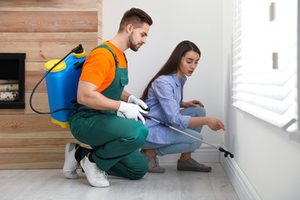
Pest Control: The Most Effective and Less Expensive Way to Get Rid of Pests

Pests can quickly turn a comfortable home or business into a frustrating environment. Whether it is insects invading the kitchen, rodents damaging property, or other unwanted creatures creating health concerns, dealing with an infestation can become stressful and expensive if left unchecked. Many property owners attempt to solve pest problems on their own, only to discover that the issue keeps returning. This often leads to wasted time, money, and effort. The most effective and less expensive way to get rid of pests is through a strategic pest control approach that focuses on prevention, early intervention, and long-term management.

pest control

Pest Control Flower Mound TX is not simply about eliminating visible pests. It is a comprehensive process designed to address the root causes of infestations. By identifying where pests are coming from, understanding why they are attracted to a property, and implementing targeted solutions, pest control helps create an environment where pests cannot thrive. This approach delivers better results than temporary fixes and helps property owners avoid the significant costs associated with major infestations.

One of the biggest advantages of professional pest control is cost-effectiveness. Many people assume that hiring experts is more expensive than handling the issue independently. However, recurring infestations often require repeated purchases of sprays, traps, and other products that provide only short-term relief. Over time, these repeated expenses can exceed the cost of a comprehensive pest management programme. When pests are properly identified and treated from the start, the need for constant spending on ineffective solutions is dramatically reduced.

Another reason pest control is considered the most effective option is that pests are highly adaptable. Many species learn to avoid common traps or become resistant to certain over-the-counter treatments. A successful pest control strategy relies on understanding pest behaviour and using appropriate methods designed to target specific infestations. This precision improves the likelihood of complete removal while minimising unnecessary treatments and expenses.

Prevention plays a critical role in effective pest control. Rather than waiting for an infestation to become severe, proactive measures help stop pests before they establish themselves. Small problems can rapidly grow into major infestations when ignored. A few insects or a single rodent may seem insignificant at first, but these pests can reproduce quickly and spread throughout a property. Early detection and intervention are far less costly than dealing with widespread infestations and structural damage later.

Property owners who invest in regular pest control often enjoy several long-term benefits:

  1. Reduced risk of property damage caused by pests.
  2. Lower overall pest management costs over time.
  3. Improved health and hygiene conditions.
  4. Greater peace of mind knowing infestations are being monitored.
  5. Increased protection for food, furniture, wiring, and building materials.

These benefits highlight why preventive pest control is often more affordable than reactive treatments. Addressing a minor issue before it escalates can save substantial amounts of money in repairs and replacement costs.

Many pests can damage a property in ways that are not immediately visible. Rodents may chew electrical wiring, increasing the risk of electrical faults and costly repairs. Certain insects can compromise wooden structures and furniture. Other pests contaminate food storage areas, leading to waste and potential health concerns. In some cases, the financial impact of pest-related damage far exceeds the cost of preventive treatments. This is why many homeowners and businesses view pest control as an investment rather than an expense.

Health protection is another important reason why pest control remains a practical and economical solution. Pests can carry bacteria, allergens, and other contaminants that may affect occupants. In environments where food is prepared or stored, maintaining pest-free conditions becomes particularly important. Effective pest management helps reduce exposure to harmful substances while supporting a cleaner and healthier living or working environment.

A key factor that contributes to the affordability of pest control is customised treatment planning. Every infestation is different, and successful pest management begins with a thorough assessment of the property. By determining the type of pest, the extent of the infestation, and the conditions contributing to the problem, targeted solutions can be implemented. This approach eliminates unnecessary treatments and ensures resources are used efficiently.

Integrated pest management has become one of the most popular and effective approaches in modern pest control. This strategy combines multiple techniques to achieve long-lasting results while minimising environmental impact. Instead of relying solely on chemical treatments, integrated pest management focuses on identifying risks and addressing them through a combination of methods.

Some of the core components of this approach include:

  1. Regular inspections to identify pest activity.
  2. Sealing entry points that allow pests to enter.
  3. Improving sanitation and waste management practices.
  4. Reducing access to food, water, and shelter.
  5. Applying treatments only when necessary and in appropriate quantities.

When these measures are implemented consistently, pest populations are significantly reduced, and the likelihood of future infestations decreases considerably. The result is a sustainable and cost-effective solution that provides lasting value.

Homeowners can also contribute to successful pest control through simple maintenance practices. Keeping living spaces clean, fixing leaks promptly, storing food securely, and removing clutter can make a property much less attractive to pests. These preventive habits complement professional treatments and help extend their effectiveness. Small efforts made regularly can prevent larger problems from developing in the future.

Businesses often benefit even more from professional pest control programmes. Commercial properties can experience serious consequences if pest problems are not addressed quickly. Negative customer experiences, damaged inventory, interrupted operations, and regulatory concerns can all result from infestations. By implementing preventive pest management plans, businesses can reduce risks and protect their reputation while controlling long-term costs.

Seasonal changes also have a significant influence on pest activity. Different pests become more active during certain times of the year as they search for food, water, or shelter. Understanding these seasonal patterns allows pest control specialists to take preventive action before infestations occur. Anticipating pest behaviour rather than reacting to it helps reduce overall treatment requirements and associated expenses.

Technology has further enhanced the effectiveness of modern pest control services. Advanced monitoring systems, improved treatment methods, and detailed inspection processes allow for more accurate identification and management of pest issues. These innovations help ensure treatments are applied precisely where needed, improving efficiency and reducing waste. As a result, property owners receive better outcomes and greater value for their investment.

Another major advantage of professional pest control is expert knowledge. Identifying pests correctly is essential because different species require different treatment strategies. Misidentification can lead to ineffective treatments and prolonged infestations. Pest control professionals have the training and experience needed to recognise warning signs, evaluate risks, and implement appropriate solutions. Their expertise helps ensure that infestations are resolved efficiently, reducing both time and costs.

Long-term monitoring is an often-overlooked aspect of pest management. Even after an infestation has been eliminated, ongoing inspections help detect new activity before it becomes a serious issue. This continuous protection prevents pests from re-establishing themselves and reduces the likelihood of unexpected infestation-related expenses. Regular monitoring creates a proactive defence system that supports lasting pest-free conditions.

Environmental responsibility is becoming increasingly important in pest management. Modern pest control methods focus on balancing effectiveness with safety. Treatments are selected carefully to minimise risks while still delivering reliable results. This responsible approach helps protect occupants, pets, and the surrounding environment while maintaining high levels of pest control performance.

The financial benefits of pest control become even more apparent when considering the cumulative costs of untreated infestations. Repairing damaged structures, replacing contaminated food, addressing health concerns, and resolving recurring infestations can be significantly more expensive than preventive maintenance. Taking action early helps avoid these unforeseen expenses and preserves the value of the property.

Many people wait until they see obvious signs of infestation before seeking help. Unfortunately, by this stage, pests may already be well established. Acting quickly when the first signs appear can make a significant difference in treatment costs and outcomes. Early intervention allows problems to be resolved while they are still manageable, reducing both disruption and expense.

Ultimately, pest control remains one of the most effective and less expensive ways to get rid of pests because it addresses both immediate infestations and future prevention. Rather than focusing on short-term fixes, it provides a comprehensive solution designed to protect properties, improve health conditions, and reduce long-term costs. Through professional expertise, preventive strategies, customised treatments, and ongoing monitoring, pest control delivers lasting results that save property owners money and stress.

When viewed from a long-term perspective, investing in pest control is a smart and practical decision. It helps prevent damage, protects health, reduces recurring expenses, and creates a safer, more comfortable environment. By addressing pest problems proactively and implementing effective management strategies, property owners can enjoy reliable protection and peace of mind throughout the year. In the end, effective pest control is not just about removing pests today. It is about preventing them from becoming a costly problem tomorrow.

Navigation