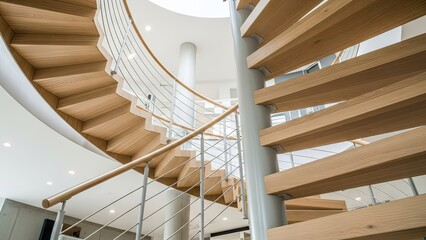
Imagine walking into a building where the staircase immediately captures your attention. Its clean lines, sturdy construction, and stylish railing create a lasting impression while providing safety and functionality. Steel Stairs and Railings have become a popular choice for residential, commercial, and industrial properties because they combine strength, durability, and modern aesthetics. Whether used indoors or outdoors, steel offers a wide range of design possibilities that can complement almost any architectural style.
Choosing the right steel stairs and railings involves more than selecting a material. Property owners must consider design preferences, safety requirements, maintenance expectations, and the intended use of the space. Understanding the available options can help ensure a practical and visually appealing result that stands the test of time.
Why Steel Is a Popular Choice for Stairs and Railings
Steel has become one of the most widely used materials for staircases and railing systems because of its exceptional strength and versatility. Unlike some materials that may warp, crack, or deteriorate over time, steel can withstand heavy use while maintaining its structural integrity.
One of the primary advantages of steel is its durability. Properly fabricated steel stairs and railings can last for decades with minimal maintenance. This longevity makes steel a cost effective investment for property owners seeking reliable and attractive solutions.
Steel is also highly adaptable from a design perspective. It can be shaped, welded, and finished in countless ways, allowing for both traditional and contemporary styles. Whether a project requires a sleek modern staircase or a decorative railing with intricate details, steel can accommodate a wide range of aesthetic goals.
Another benefit is safety. Steel provides excellent load-bearing capacity and stability, making it suitable for high traffic areas where dependable performance is essential.
Straight Steel Staircases
Straight staircases are among the most common steel stair options available. Their simple design consists of a single flight of stairs connecting one level to another without changes in direction.
This style is popular because it is practical, easy to construct, and suitable for many different environments. Straight steel staircases often work well in commercial buildings, warehouses, office spaces, and modern homes.
The clean appearance of a straight staircase can create an open and uncluttered look. Steel framing can be combined with various tread materials, including metal, wood, concrete, or glass, to achieve a customized appearance.
Maintenance is generally straightforward due to the simple structure and accessibility of all components. For property owners seeking functionality and efficiency, straight steel staircases remain a dependable choice.
Floating Steel Stair Designs
Floating staircases have gained popularity in contemporary architecture because of their dramatic visual appeal. These stair systems are designed to create the illusion that each step is suspended in midair.
Steel plays a crucial role in floating stair construction because of its strength and ability to support significant loads while remaining relatively slim. Hidden steel supports or central steel stringers often provide the structural framework necessary to achieve the floating effect.
Floating steel stairs can make spaces feel larger and more open by allowing light to pass through the structure. This characteristic is particularly beneficial in homes and buildings where maximizing visual space is a priority.
Many floating stair designs incorporate glass or cable railings to further enhance the modern aesthetic. While these staircases often require careful engineering and professional installation, they can become a striking focal point within a property.
Spiral and Curved Steel Stair Options
Spiral and curved staircases offer unique design possibilities for properties with limited floor space or a desire for architectural distinction. Steel is frequently used in these stair systems because it can be fabricated into curved shapes while maintaining structural strength.
Spiral staircases are particularly effective in compact spaces. Their circular design allows them to occupy a smaller footprint compared to traditional stair layouts. This makes them suitable for lofts, secondary access points, and areas where space efficiency is important.
Curved staircases provide a more gradual and elegant transition between levels. These designs often create a sense of luxury and sophistication while serving as a visual centerpiece.
Both spiral and curved steel stairs can be customized with various railing styles, finishes, and tread materials. The flexibility of steel fabrication enables designers to create distinctive stair systems that complement a property’s overall architectural theme.
Popular Steel Railing Styles
The choice of railing significantly influences the appearance and functionality of a staircase. Steel railings are available in numerous styles that cater to different design preferences.
Traditional steel railings often feature vertical balusters and decorative elements that add character and detail. These railings can complement classic architectural styles while providing reliable safety.
Horizontal railings have become increasingly popular in modern settings. Their clean lines create a contemporary appearance that pairs well with minimalist interiors and exterior spaces.
Cable railing systems combine steel posts with tensioned cables. This design offers unobstructed views and a sleek aesthetic while maintaining safety standards. Cable railings are frequently used on decks, balconies, and modern staircases.
Glass panel railings supported by steel frames provide another contemporary option. The transparency of the glass creates an open feeling while the steel framework ensures durability and support.
Custom fabricated steel railings allow property owners to incorporate unique patterns, artistic details, and personalized design elements that reflect their individual style.
Indoor Versus Outdoor Steel Stair and Railing Solutions
Steel stairs and railings can be used successfully in both indoor and outdoor environments, but the requirements for each application may differ.
Indoor stair systems often prioritize aesthetics alongside functionality. Property owners may choose decorative finishes, powder coated surfaces, or combinations of steel with wood and glass to create visually appealing interiors.
Outdoor staircases face additional environmental challenges. Exposure to moisture, temperature fluctuations, and sunlight can affect materials over time. For this reason, outdoor steel stairs and railings often incorporate protective coatings and corrosion resistant finishes.
Galvanized steel is a common choice for outdoor applications because it offers enhanced protection against rust. Powder coating is another popular option that adds durability while providing a wide range of color choices.
Selecting the appropriate finish for the environment helps ensure long term performance and reduces maintenance requirements.
Choosing the Right Finish for Steel Stairs and Railings
The finish applied to steel surfaces affects both appearance and durability. Property owners have several options depending on their design preferences and maintenance expectations.
Painted finishes provide flexibility in color selection and can complement virtually any design style. High quality coatings help protect steel from wear and environmental exposure.
Powder coating is a popular finishing method because it creates a durable and attractive surface. This finish resists chipping, scratching, and fading while offering numerous color possibilities.
Brushed and polished finishes showcase the natural appearance of the metal. These finishes are often selected for contemporary interiors where a sleek and sophisticated look is desired.
Galvanized finishes are commonly used for outdoor installations because they provide excellent corrosion resistance. This protective layer helps extend the lifespan of steel components exposed to the elements.
Choosing the right finish depends on factors such as location, intended use, maintenance preferences, and overall design objectives.
Factors to Consider Before Selecting a Steel Stair and Railing System
Before investing in a steel staircase or railing system, it is important to evaluate several key factors. Functionality should remain a top priority. The design must accommodate expected traffic levels while meeting safety requirements.
Space availability also influences the choice of stair configuration. Straight, floating, spiral, and curved designs each offer different advantages depending on the available area.
Aesthetic goals should align with the overall style of the property. Selecting complementary finishes, railing styles, and materials can help create a cohesive appearance.
Maintenance expectations are another important consideration. Some finishes require more upkeep than others, particularly in outdoor environments.
Budget plays a role as well. Custom fabricated designs may involve higher initial costs, but their durability and unique appearance often provide long term value.
Careful planning and professional design guidance can help ensure the selected system meets both practical and visual objectives.
Final Thoughts
Steel stairs and railings offer an exceptional combination of strength, versatility, and style. From straightforward staircases to dramatic floating designs and elegant curved structures, steel provides solutions for virtually every type of property. The wide range of railing styles, finishes, and customization options allows property owners to create stair systems that are both functional and visually impressive. By understanding the available steel stair and railing options, it becomes easier to select a solution that enhances safety, complements architectural design, and delivers lasting performance for years to come.