Author: Tammy Harrell

Reliable Concrete Solutions for Driveways, Patios, and Foundations

Concrete has long been a cornerstone of modern construction, prized for its strength, durability, and versatility. Whether used for driveways, patios, or foundations, concrete provides a long-lasting solution that combines functionality with aesthetic appeal. Its widespread use in both residential and commercial applications is a testament to its reliability, but achieving optimal performance requires expert installation, proper materials, and ongoing maintenance.

Investing in professional Concrete Franklin TN solutions ensures that surfaces are not only strong and safe but also visually appealing and able to withstand years of daily use and environmental challenges. Understanding the benefits, applications, and best practices for concrete installation and care can help property owners make informed decisions and maximize the longevity of their surfaces.
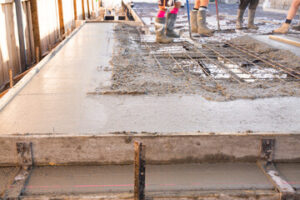
concrete

One of the primary applications of concrete is in driveways, where strength and durability are essential. Driveways endure constant exposure to vehicle weight, temperature fluctuations, and environmental wear. Poorly installed or low-quality concrete can crack, settle unevenly, or become worn over time, resulting in costly repairs. Reliable concrete solutions involve careful sub-base preparation, proper mix selection, and precise finishing techniques to ensure that driveways can handle heavy traffic while maintaining a smooth, level surface. Reinforcement with steel bars or mesh adds additional strength, minimizing the risk of cracking and extending the lifespan of the driveway. Property owners who choose professional concrete services benefit from both durability and enhanced curb appeal, as a well-crafted driveway can significantly improve the overall aesthetic of a property.

Patios are another area where concrete excels due to its versatility and aesthetic potential. Concrete patios offer a wide range of design options, from stamped patterns and colored finishes to polished surfaces that create a refined outdoor space. These customizable features allow property owners to match their patios to the overall style of their homes while ensuring long-lasting performance. Proper installation is essential, including grading for drainage, proper reinforcement, and careful finishing to prevent surface cracks. Reliable concrete solutions also incorporate sealants and protective coatings to reduce water absorption, prevent staining, and minimize surface erosion over time. When installed by professionals, concrete patios combine functionality with beauty, creating outdoor spaces that are enjoyable, safe, and enduring.

Foundations are perhaps the most critical application of concrete, as they support the structural integrity of an entire building. A strong, well-constructed foundation ensures that walls, floors, and roofs remain stable, even under varying environmental conditions. Poorly constructed foundations can lead to uneven settling, cracks, and long-term structural damage. Reliable concrete solutions for foundations include thorough site assessment, soil testing, appropriate mix design, and careful pouring techniques. Reinforcement with steel bars or mesh ensures additional stability, while proper curing allows the concrete to achieve maximum strength. By investing in professional foundation services, property owners ensure that their buildings are safe, stable, and capable of enduring decades of use without compromising structural integrity.

One of the key advantages of professional concrete solutions is the ability to address site-specific challenges. Each property is unique, with variations in soil type, drainage patterns, and exposure to environmental conditions. Concrete contractors evaluate these factors and recommend solutions that optimize performance and durability. For example, areas prone to heavy rainfall require proper grading and drainage to prevent water accumulation, which can weaken the concrete over time. Properties with expansive or shifting soil may benefit from additional reinforcement or deeper foundations to prevent settling. By tailoring concrete solutions to specific conditions, professionals provide long-term reliability that is difficult to achieve through DIY methods or inexperienced contractors.

Maintenance is another critical aspect of ensuring the longevity of concrete surfaces. While concrete is inherently durable, neglecting routine care can lead to premature wear, cracking, or surface deterioration. Regular cleaning, sealing, and inspection help protect concrete from water penetration, chemical exposure, and environmental stressors. Sealants prevent water and chemicals from penetrating the surface, reducing the risk of erosion, staining, and damage caused by freeze-thaw cycles. Professionals can also provide guidance on patching minor cracks, leveling uneven surfaces, and addressing drainage issues before they escalate into larger structural concerns. Maintenance not only preserves the functionality of driveways, patios, and foundations but also enhances their visual appeal, keeping surfaces looking new and well-kept for years.

In addition to installation and maintenance, repair services are an essential component of reliable concrete solutions. Over time, even the best-constructed surfaces may require attention due to cracks, chips, or settling. Professional concrete repair involves a careful assessment of the underlying cause, whether it is soil movement, moisture issues, or improper initial installation. Repairs may include crack filling, resurfacing, leveling, or reinforcement to restore structural integrity and aesthetic quality. Timely intervention prevents minor problems from becoming major issues, saving property owners from costly replacement and ensuring the continued performance of their concrete surfaces.

The aesthetic versatility of concrete is another reason property owners increasingly rely on professional solutions. Modern concrete techniques allow for a wide variety of finishes, patterns, and textures that can complement any property style. Stamped concrete can mimic natural stone, brick, or tile, while colored or polished finishes provide a modern and elegant appearance. Textured finishes enhance slip resistance, making patios, walkways, and pool areas safer. Professional contractors have the experience and tools to implement these design options without compromising structural integrity, resulting in surfaces that are both attractive and highly functional.

Sustainability is becoming an important consideration in modern concrete construction. Advances in mix design, the use of recycled materials, and environmentally conscious curing methods allow property owners to reduce the environmental impact of their concrete projects. Professionals can recommend options that balance performance, longevity, and sustainability, providing surfaces that are durable while minimizing ecological impact. Energy efficiency, water management, and resource conservation are all enhanced through proper planning, installation, and maintenance of concrete surfaces.

Cost-effectiveness is another benefit of investing in professional concrete solutions. While DIY projects may appear to save money initially, mistakes in preparation, pouring, or finishing often lead to costly repairs, uneven surfaces, or early replacement. Reliable concrete services ensure the job is done correctly from the start, minimizing future maintenance needs and reducing the risk of structural issues. High-quality materials, proper installation techniques, and professional expertise combine to create long-lasting surfaces that provide excellent value for both residential and commercial properties. The upfront investment in professional concrete services is often offset by the extended lifespan, reduced maintenance costs, and enhanced property value that well-executed surfaces provide.

Safety is also a significant advantage of professionally installed concrete. Uneven surfaces, improperly finished driveways, or poorly drained patios can create tripping hazards, water accumulation, or other safety risks. Professional concrete services address these concerns through proper grading, finishing, and reinforcement. Safety-conscious installation practices reduce the risk of accidents and ensure that all surfaces meet structural and building standards. By prioritizing safety during installation and repair, property owners not only protect their investment but also create environments that are safe and functional for family members, visitors, and employees.

To summarize, reliable concrete solutions for driveways, patios, and foundations offer several key benefits for property owners:

  1. Strength and Durability: Proper installation, reinforcement, and curing provide long-lasting surfaces capable of withstanding heavy traffic, weather conditions, and daily use.
  2. Aesthetic Appeal: Decorative finishes, stamping, coloring, and textures allow concrete to enhance the visual appeal of both residential and commercial properties while maintaining functionality.
  3. Cost-Effective Performance: Professional solutions reduce the need for frequent repairs and replacements, ensuring maximum value over time.
  4. Safety and Reliability: Correct installation and maintenance minimize hazards, ensure structural integrity, and enhance user safety.

In conclusion, investing in professional concrete services is essential for achieving durable, safe, and visually appealing surfaces for driveways, patios, and foundations. These solutions provide long-term reliability, protect property value, and enhance both the functionality and aesthetics of any space. By choosing expert contractors who understand site-specific conditions, proper materials, installation techniques, and maintenance practices, property owners ensure that their concrete surfaces stand the test of time. Reliable concrete solutions deliver strength, beauty, and peace of mind, making them an ideal choice for any property looking to combine durability with lasting visual appeal.
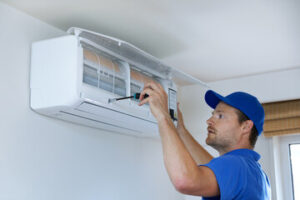
Whispers of Climate Harmony: The New Era of HVAC Evolution

Comfort begins where temperature meets innovation. The world of HVAC has entered a transformation unlike any before. Beyond the mechanical hum of air conditioners and heaters lies a symphony of intelligence and adaptation. It’s no longer about controlling air; it’s about shaping how humans live, breathe, and connect with their environments.

HVAC

The HVAC industry, once defined by static systems, now thrives on dynamic technology. Systems are learning to sense human patterns, predicting comfort levels before discomfort even begins. Through adaptive algorithms, HVAC units can detect fluctuations in humidity, air purity, and even emotional cues from usage patterns. This blend of technology and empathy marks the new heart of indoor climate control.

What makes this evolution fascinating is its silent intelligence. HVAC systems today no longer wait for users to adjust them. Instead, they study habits and weather shifts in real time. The goal is invisible comfort—where environments respond without command. A home or workspace feels right not because someone sets it, but because the air itself learns how to care.

This seamless relationship between humans and air is powered by sensory networks. Each vent and duct has become part of a data ecosystem. These systems communicate through cloud platforms, sharing insights across buildings. A network of adaptive air control ensures not just comfort but consistency. Imagine walking through spaces that maintain the same calm equilibrium wherever you go.

Sustainability drives this transformation further. Traditional HVAC systems consumed vast energy to maintain comfort. Now, energy efficiency is woven into every layer of design. Smart compressors, variable-speed motors, and heat recovery mechanisms collaborate to minimize waste. The air feels fresher not only because it’s cleaner but because it’s responsibly conditioned.

Artificial intelligence has also become the silent engineer of HVAC balance. Algorithms predict the exact moment a system should power up or rest. By monitoring usage trends, they create micro-adjustments that save energy without compromising comfort. This intelligent precision makes every degree of air a calculated decision, turning efficiency into an art.

The materials used in HVAC innovation have evolved as well. Engineers are developing components that last longer and respond faster. Nanocoated coils resist corrosion while maintaining heat transfer at peak levels. Air filters now utilize biodegradable fibers that cleanse the environment while reducing waste. Sustainability has finally met performance in perfect symmetry.

The emotional connection to air is another subtle aspect shaping HVAC progress. Designers have begun to consider how airflow influences mood and mental clarity. Studies reveal that subtle temperature shifts can alter concentration and relaxation. HVAC systems now integrate psychological mapping, adjusting air behavior to promote well-being in both private and public spaces.

Silence has also become a mark of progress. The quiet hum of modern HVAC systems reflects engineering refinement. Vibration dampeners and acoustic insulation have turned noise into calm whispers. This shift from industrial sound to near silence creates serenity. People no longer notice the machines that sustain them, and that’s the point—they simply feel the result.

Maintenance has transformed from reactive to predictive. The systems now alert users before issues occur, often diagnosing themselves. Cloud-based analytics monitor pressure levels, coil cleanliness, and airflow resistance. When anomalies arise, alerts are sent instantly, minimizing downtime. This ensures that comfort remains uninterrupted and repair costs stay minimal.

Customization lies at the core of the new HVAC age. Every individual perceives comfort differently, and technology now respects that diversity. Personal zones allow temperature and airflow to adjust to each person’s preference. Whether it’s a cool breeze at a desk or gentle warmth by the window, the system learns to deliver distinct microclimates within one shared space.

The fusion of design and function also shapes HVAC’s evolution. Air systems are no longer bulky or intrusive; they blend with architecture. Slim vents, hidden ducts, and minimalist control panels redefine interior aesthetics. Designers collaborate with engineers to ensure that HVAC components contribute to beauty, not merely utility. Comfort now has elegance.

Climate adaptability is the next frontier. As global weather patterns shift, HVAC systems must respond faster and smarter. Dynamic modeling enables systems to simulate multiple future conditions. By predicting extreme temperature spikes or sudden humidity shifts, they prepare ahead of time. This ensures steady comfort even in the most unpredictable environments.

Health consciousness has deepened HVAC’s purpose. Beyond comfort, air quality now defines system excellence. Advanced filtration targets micro-pollutants, viruses, and allergens. Ionization and UV purification technologies cleanse the air at molecular levels. Breathing indoors becomes safer and closer to nature’s purity.

In public infrastructure, HVAC plays a vital societal role. Hospitals, schools, and transportation hubs rely on precision climate control to sustain health and focus. Smart zoning ensures that each environment receives the attention it needs. The result is an ecosystem where air distribution becomes a form of social care.

Remote control and automation redefine user engagement. Mobile integration allows people to manage systems from anywhere. But more than convenience, it promotes awareness of consumption. Users can visualize their energy usage in real time and adjust habits accordingly. The result is conscious comfort—a balance between luxury and responsibility.

In workplaces, HVAC systems foster productivity by aligning air conditions with circadian rhythms. As lighting adjusts to time of day, so does temperature. Cooler air promotes alertness in the morning, while subtle warmth supports calm in the afternoon. The synchronization between air and human rhythm blurs the line between biology and technology.

Residential systems, meanwhile, have become an extension of lifestyle. They interact with entertainment systems, lighting, and security for full environmental harmony. The moment a person enters, the air adapts to their preferences. It’s an intimate experience where the invisible element of comfort becomes the most personal.

Urban living challenges have pushed HVAC innovation to new heights. Space-saving, modular systems now provide full control within compact settings. Rooftop installations and underfloor ducts maximize airflow efficiency without crowding interiors. Comfort no longer demands space—it only requires intelligence.

The global pursuit of carbon neutrality has accelerated HVAC transformation. Manufacturers now invest in renewable energy integration, enabling systems powered by solar or wind sources. The synergy between renewable energy and HVAC technology reduces emissions and dependency. This union marks a critical step toward a breathable, sustainable future.

In extreme climates, resilience has become an engineering priority. Systems now endure intense heat, cold, and moisture without performance loss. Through adaptive insulation and fluid dynamics, HVAC systems sustain optimal operation even under pressure. Comfort, once fragile, has become enduring.

The human role in HVAC operation is fading gracefully. Where once people managed dials and switches, now sensors and AI handle the task. Yet this automation doesn’t remove control—it enhances it. Users still define comfort preferences, but systems translate them into optimized performance beyond human precision.

Learning from data has become HVAC’s greatest strength. Massive datasets gathered from thousands of environments inform smarter design. Engineers analyze trends to develop systems that perform better under real-world conditions. Each installation becomes part of a learning network that evolves constantly.

Safety has also advanced beyond expectation. Overheat protection, moisture sensors, and real-time diagnostics ensure secure operation. Systems can isolate faulty zones without shutting down completely. This decentralized protection approach maintains both safety and functionality simultaneously.

The concept of shared environments now includes air consciousness. Multi-zone HVAC management ensures that different rooms maintain unique climates without energy conflict. This balance between shared and personalized air creates harmony within homes and workplaces. Each breath feels intentional, not accidental.

Educational institutions benefit from this precision by promoting learning comfort. Classrooms remain consistently cool and fresh, encouraging focus. Research shows that temperature stability enhances cognitive performance, a finding directly tied to HVAC innovation. The system quietly becomes a partner in education.

In wellness centers and residential sanctuaries, air therapy is emerging. Controlled humidity, negative ion release, and scent diffusion enhance relaxation. HVAC now collaborates with the human senses beyond temperature. Breathing becomes an act of renewal, supported by technology that understands emotion.

Even in manufacturing, HVAC ensures quality. Production environments require strict temperature regulation to maintain product integrity. Smart air systems monitor every degree to ensure consistency. The result is efficiency that supports both comfort and industrial precision.

The cultural meaning of HVAC has expanded. It’s no longer just a mechanical service—it’s part of human evolution. As people spend more time indoors, the air that surrounds them defines their sense of well-being. HVAC systems have become unseen companions in modern life, guardians of invisible balance.

Future visions of HVAC include systems that communicate directly with human biometrics. Smart wearables could one day sync with environmental controls, adjusting airflow based on stress levels or body temperature. Comfort will no longer be static—it will breathe with the body, evolving second by second.

Energy recapture will shape the next leap forward. Systems that store heat from one zone and reuse it in another are emerging. Nothing is wasted; every movement of air becomes a cycle of renewal. This principle reflects the broader ecological shift toward circular sustainability.

Meanwhile, designers are exploring HVAC invisibility. The goal is to create comfort without visible machinery. Walls, ceilings, and floors may soon integrate micro-duct systems that deliver climate control silently and seamlessly. The architecture of the future won’t just contain air—it will orchestrate it.

As climate unpredictability intensifies, the responsibility of HVAC systems grows heavier. They must not only sustain comfort but protect health and conserve energy. Each design decision carries moral weight. The modern engineer balances physics with ethics, creating systems that serve both humanity and the planet.

The convergence of AI, renewable energy, and human comfort defines this era. HVAC has evolved from a luxury to a necessity and now into a philosophy. It stands as a bridge between technology and nature, linking innovation with empathy. The future of air lies not in control but in connection.

The HVAC journey continues, fueled by curiosity and care. Each breath indoors becomes a silent testament to the brilliance behind the machines. The new generation of HVAC systems doesn’t just regulate temperature—it narrates the story of adaptation, harmony, and hope. In this dance between air and intelligence, humanity rediscovers the true meaning of comfort.

Navigation