Selecting the right HVAC company is one of the most important decisions a property owner can make when it comes to maintaining a comfortable and energy-efficient indoor environment. Heating, ventilation, and air conditioning systems are essential for year-round comfort, and choosing dependable professionals ensures that these systems operate smoothly, efficiently, and safely. With so many service providers available, it can be overwhelming to determine which company will best meet your needs. From the quality of their workmanship to the reliability of their customer service, every aspect plays a crucial role in ensuring long-term satisfaction. By understanding what to look for best HVAC Companies and what factors matter most, property owners can make confident decisions that protect both comfort and investment.
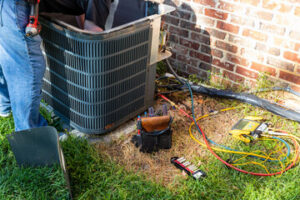
One of the key reasons it is important to choose the right HVAC company is the complexity of modern HVAC systems. Heating and cooling units involve intricate components, electrical systems, ventilation pathways, and refrigerant handling, all of which require specialized knowledge to install, maintain, and repair properly. A qualified HVAC company will employ trained technicians who understand the latest industry standards and best practices. This ensures that each service—from installation to routine maintenance—is performed correctly and safely. Working with inexperienced or underqualified providers can lead to improper installations, frequent breakdowns, and costly repairs down the line.
When evaluating HVAC companies, reliability and long-term service availability are critical considerations. HVAC systems need consistent attention throughout their lifespan, including seasonal inspections, cleaning, adjustments, and occasional repairs. A dependable company will offer ongoing support and prioritize long-term customer relationships. This makes it easier to schedule appointments, receive timely service, and maintain a service history for your equipment. Choosing a company that is committed to being around for the long haul ensures that you won’t be left searching for help when unexpected issues arise or when routine maintenance is due.
Experience in the HVAC industry is another important factor to consider. Companies with years of hands-on experience are often better equipped to handle a variety of problems, from minor issues to complex system failures. They have likely encountered a wide range of equipment types, brands, and configurations, giving them the knowledge needed to diagnose and resolve issues efficiently. Experienced companies are also more familiar with the industry’s evolving technologies, such as energy-efficient units, smart thermostats, and advanced ventilation strategies. This expertise allows them to provide accurate recommendations that align with your goals and budget.
Another significant aspect of choosing the right HVAC company is ensuring they provide comprehensive services. Heating and cooling systems are interconnected and require a multifaceted approach to keep them running efficiently. A full-service HVAC provider typically offers installation, repairs, maintenance, air quality assessments, duct services, and system upgrades. By selecting a company that provides wide-ranging services, you avoid the hassle of hiring multiple contractors for different tasks. This convenience can make a big difference in managing your HVAC needs, especially when dealing with urgent repairs or complex multi-step projects.
Customer service is also a vital part of the decision-making process. The best HVAC companies communicate clearly, respond promptly, and treat customers with respect and transparency. Property owners deserve technicians who take time to explain issues, provide honest assessments, and recommend solutions that align with their needs rather than pushing unnecessary services. Evaluating how a company treats its customers—whether through initial consultations, follow-up communication, or overall responsiveness—can reveal a lot about the quality of service you can expect.
To help simplify the selection process, here are two essential factors to consider when choosing an HVAC company:
- Technical expertise and certification: A reputable HVAC company employs certified technicians who follow industry standards and receive ongoing training. This ensures that each job is done safely, efficiently, and correctly.
- Clear and transparent pricing: Trustworthy companies provide detailed estimates before beginning any work. They explain the costs involved, avoid hidden charges, and help you understand what you are paying for.
Transparent pricing goes a long way in building trust between the service provider and the customer. HVAC services can vary significantly in cost depending on the complexity of the job, the type of equipment, and the urgency of the issue. A reliable HVAC company will take the time to assess your system thoroughly and provide a written estimate that outlines the expected expenses. This transparency not only helps you budget effectively but also protects you from unexpected charges. Companies that avoid providing clear pricing details should be approached with caution, as unclear costs may indicate a lack of professionalism or misleading business practices.
Another key factor to consider when choosing an HVAC company is how well they understand energy efficiency. Modern HVAC systems are designed to reduce energy consumption while improving performance and comfort. A knowledgeable company should be able to evaluate your home’s cooling and heating needs, recommend energy-efficient systems, and provide guidance on how to optimize your existing equipment. Whether you want to lower your monthly energy bills or upgrade to a more sustainable system, choosing a company with strong expertise in energy-efficient solutions ensures long-term value and performance.
Warranties and service guarantees also play a major role in evaluating HVAC companies. A reputable company stands behind the quality of its work by offering warranties on both equipment and labor. These guarantees provide additional peace of mind by ensuring that any issues arising after installation or servicing will be addressed without additional cost. When comparing providers, it is helpful to inquire about the warranties they offer, what they cover, and how long the coverage lasts. Reliable warranties reflect a company’s confidence in its craftsmanship and commitment to customer satisfaction.
Availability and responsiveness are also important when selecting an HVAC company. Heating or cooling issues can arise without warning, and having access to prompt service makes a significant difference. An ideal HVAC provider offers flexible scheduling, quick turnaround times, and emergency services when needed. Even during peak seasons, a dependable company will communicate clearly and strive to meet your needs as soon as possible. This level of commitment ensures that you don’t have to endure extended discomfort or risk further damage to your HVAC system due to delays.
High-quality HVAC companies also make use of modern tools, diagnostic equipment, and up-to-date techniques. Advanced technology allows technicians to identify issues more accurately, recommend the best solutions, and perform repair or installation work more efficiently. Companies that invest in modern equipment are often more committed to providing excellent service and staying current with industry advancements. This attention to technological improvements ultimately benefits customers by delivering faster, safer, and more effective results.
A strong reputation is another indicator of a company’s reliability. While names and locations are not included here, reputation in general is built through consistent service quality, customer satisfaction, and long-term trustworthiness. Property owners often choose HVAC companies based on word-of-mouth recommendations, which speak volumes about a provider’s professionalism. A company that is known for delivering exceptional work and treating its customers fairly is more likely to meet your expectations. Although reputation alone should not be the only deciding factor, it is an influential part of the evaluation process.
The right HVAC company should also demonstrate strong attention to detail, especially during installation and maintenance. Proper installation plays a crucial role in determining how well an HVAC system performs over time. Even high-quality equipment can fail prematurely if not installed correctly. A reputable company will assess your property’s layout, ventilation needs, and energy requirements before recommending or installing a system. They take careful measurements, ensure proper airflow, and make adjustments that guarantee optimal performance. Thorough maintenance practices further support long-term reliability, making attention to detail a key characteristic of a trustworthy service provider.
To further guide property owners, here are two additional points to consider when choosing the right HVAC company:
- Long-term maintenance plans: A dependable company offers maintenance agreements that include regular inspections and tune-ups, ensuring your HVAC system remains in optimal condition throughout its lifespan.
- Commitment to safety and industry standards: Quality HVAC companies follow safety protocols during installation and repair work, prioritizing both the protection of the property and the well-being of the occupants.
Another factor to keep in mind is environmental awareness. Many property owners are adopting eco-friendly practices, and choosing an HVAC company that supports sustainable solutions can be highly beneficial. This includes promoting systems that reduce energy consumption, offering options for eco-friendly refrigerants, and encouraging practices that minimize environmental impact. Companies that focus on sustainability demonstrate a forward-thinking approach that aligns with modern standards of environmental responsibility.
Customer education is also a hallmark of a good HVAC company. Rather than simply completing a job and leaving, reputable technicians provide helpful instructions and recommendations that empower customers to take better care of their systems. This might include educating customers about changing filters, adjusting thermostat settings, or understanding signs of potential issues. When a company prioritizes customer education, it demonstrates a genuine interest in helping property owners maintain long-term comfort and system performance.
Ultimately, choosing the right HVAC company is an investment in the comfort, safety, and efficiency of your home or business. A reliable provider offers more than basic services—they deliver peace of mind, expert craftsmanship, ongoing support, and a professional relationship you can depend on for years to come. From technical expertise and responsiveness to transparency and customer service, every element contributes to ensuring that you get the most out of your HVAC system. When you select a company that values quality, integrity, and long-term performance, you are taking an essential step toward maintaining a comfortable and energy-efficient indoor environment.